A Guide to Managing Common Problems in Your Grease Traps
Grease traps are essential for keeping your plumbing systems running smoothly, especially in businesses like restaurants. These devices catch fats, oils, and greases (FOG) before they enter the sewer lines. But just like any other equipment, grease traps can encounter problems that disrupt their efficiency. Understanding these common issues is vital for maintaining a clean and functional system. In this guide, we will explore typical grease trap problems and provide practical solutions to help you avoid them.
The Importance of Regular Maintenance
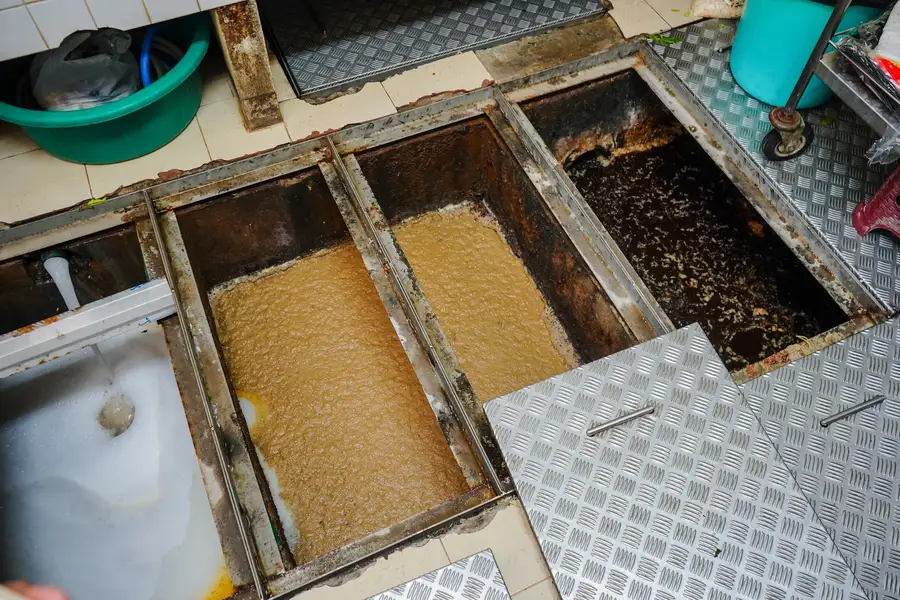
Routine maintenance is crucial for ensuring your grease trap functions effectively. Over time, FOG accumulates, causing blockages that lead to unpleasant odors and potential overflows. By scheduling regular check-ups and cleaning sessions, you can prevent these issues from escalating. Avoiding such emergencies not only saves money but also ensures compliance with health regulations.
Signs That Indicate a Problem
Identifying early signs of trouble can save you from costly repairs. Look out for slow drainage, foul smells, or frequent backups in your plumbing system. These symptoms often indicate that it’s time for grease trap cleaning. If left unaddressed, minor issues could turn into significant problems requiring extensive repairs.
Effective Solutions for Clogged Grease Traps
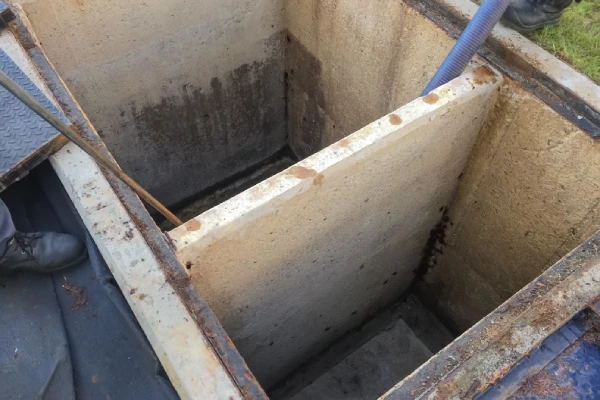
If you notice any issues with your grease trap’s performance, immediate action is necessary. Start with a thorough inspection to identify the cause of the clogging. Often, the solution involves professional grease trap cleaning. Experts have the tools and expertise needed to clear blockages efficiently while ensuring the integrity of your system remains intact.
Preventative Measures to Extend Lifespan
Prevention is always better than cure. Implementing best practices can extend the lifespan of your grease traps significantly. Consider training staff on proper waste disposal methods, such as scraping food remnants into the trash before washing dishes. Installing screens or strainers in sinks can also reduce the amount of debris entering the trap.
Understanding Regulatory Requirements
Compliance with local laws regarding grease trap installation and maintenance is non-negotiable. Regulations often specify how frequently you should clean your grease traps and document these activities. Staying informed about these requirements helps you avoid fines and ensures your establishment operates within legal boundaries.
Cost-Effective Strategies for Grease Trap Management
Managing expenses related to grease traps doesn’t have to be overwhelming. Investing in quality products and services upfront might seem expensive but proves cost-effective in the long run. Also, consider developing a maintenance schedule tailored to your usage patterns and needs. This proactive approach often results in fewer unexpected costs down the line.
Your Next Steps in Ensuring Proper Maintenance
Taking control of grease trap maintenance requires strategic planning and execution. Regular checks, combined with professional assistance, form the backbone of an effective strategy. If you’re located in Tyler, TX, reach out to Garcias Sanitation Services at (903) 253-6483 for expert advice on maintaining efficient systems. Our team provides solutions tailored to meet your specific needs, ensuring long-lasting performance.