The Hidden Dangers of Fats in Your Septic Tank
Septic systems play a crucial role in managing waste for homes that are not connected to city sewer lines. However, they require proper maintenance to function effectively. One common issue that can lead to costly repairs is grease buildup. When fats, oils, and grease enter the septic system, they solidify and cause blockages that hinder the system’s operation. Understanding how grease affects your septic tank and what you can do about it is vital for maintaining a healthy system.

The Role of Grease in Septic System Damage
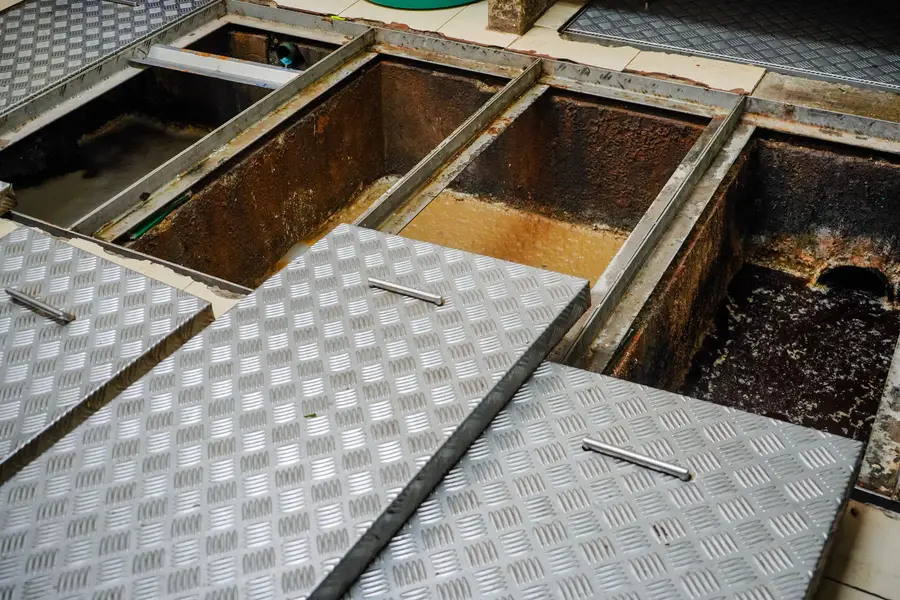
Grease does more harm than many realize when it enters a septic system. These substances harden as they cool, creating thick layers that block pipes and reduce the efficiency of your tank. This blockage prevents wastewater from flowing properly, leading to backups and potential overflows within your home. Regular grease trap cleaning helps prevent these issues, saving you time and money on repairs.
Common Problems Caused by Grease Buildup
When grease accumulates, several problems can arise:
- Pipes may become clogged, causing slow drains.
- The septic tank’s capacity decreases, leading to frequent pumping needs.
- Effluent filters can become blocked, affecting their ability to purify water.
- Excessive buildup can eventually damage the entire system.
Solutions to Prevent Grease Buildup
Preventing grease buildup begins with mindful disposal practices. Avoid pouring fats and oils down the drain. Instead, allow them to cool and dispose of them in the trash. Implementing regular grease trap cleaning ensures that any grease entering the system is efficiently managed before it causes severe problems. This proactive approach helps maintain your septic system’s health over time.
Best Practices for Maintaining a Healthy Septic System
To keep your septic system functioning optimally, consider these expert tips:
- Conduct routine inspections every 1-3 years.
- Pump your septic tank regularly based on household size and usage patterns.
- Avoid using harsh chemicals that can disrupt bacterial balance in the tank.
- Educate family members on responsible waste disposal habits.
The Importance of Compliance With Industry Standards
Maintaining compliance with local regulations ensures your septic system operates safely and efficiently. Many areas have guidelines regarding septic system maintenance schedules and approved cleaning agents. Staying informed about these requirements is essential for avoiding fines and ensuring environmental safety. Additionally, professional services often follow industry standards to provide effective solutions tailored to your specific needs.
Cost Considerations for Septic System Maintenance
While there is an upfront cost associated with regular maintenance, including grease trap cleaning, this expense pales compared to the price of major repairs or replacements due to neglect. Investing in routine care enhances system longevity and reduces long-term costs. Consider the value of protecting your property investment through diligent upkeep and professional advice.
Ensuring Long-Term Health for Your Septic System
Maintaining a healthy septic system extends its lifespan and prevents unexpected breakdowns. Contact us at (903) 253-6483 for expert advice on maintaining your system. Based in Tyler, TX, we understand local regulations and offer comprehensive services. Trust Garcias Sanitation Services for all your septic maintenance needs; our experienced team is ready to help ensure your property’s plumbing remains trouble-free.